


Sancho Fall From Promise to Pricey Mistake
When headlines once rivaled the buzz surrounding Crickex Sign Up trends in global sports culture, Jadon Sancho stood as one of England’s brightest young hopes, blessed with pace, flair, and an eye for daring dribbles. In 2021, Manchester United invested £85 million to bring him to Old Trafford, convinced that the dynamic winger could reignite attacking spark and restore belief. Five years later, that optimism has faded. With his contract nearing expiration, club leadership made the difficult call to let him depart on a free transfer, shedding a reported £200,000 weekly salary in the process.
Sancho’s rise in the Bundesliga had once dazzled Europe’s elite. The combination of youth, potential, and commercial appeal aligned perfectly with United’s rebuilding blueprint at the time. Signing a 21-year-old winger with apparent room for growth was both a footballing decision and a strategic business move. On paper, it seemed a gamble worth taking. Yet football rarely follows a straight line.
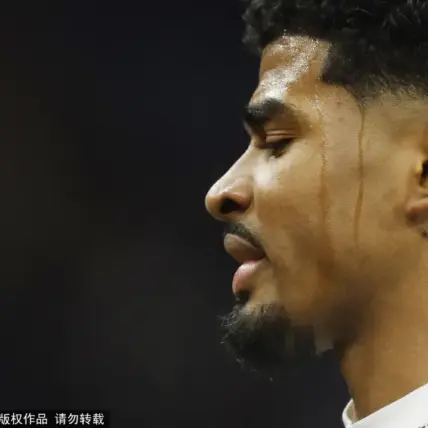 Numbers can be unforgiving. Across 83 appearances for United, Sancho produced 12 goals and six assists. Those returns fell well short of expectations attached to his price tag. Tactical mismatches, recurring injuries, psychological pressure, and frequent managerial changes all played a part. Talent alone is seldom enough when systems shift and confidence wavers. As the saying goes, the proof of the pudding is in the eating.
Loan spells back in England and across Europe have offered glimpses of promise but not a full revival. At Aston Villa, he has managed one goal and one assist in 25 appearances, leaving questions lingering. Manager Unai Emery has publicly expressed faith that Sancho can rediscover his rhythm, suggesting the club would consider retaining him if consistency returns. Much like the patience required when navigating competitive platforms such as Crickex Sign Up in digital sports environments, rebuilding form demands time and the right conditions.
Allowing a high-earning player to walk away without a fee reflects a calculated balance between finances and performance. Manchester United needed to free wage space, create room for emerging talents, and recalibrate recruitment priorities. From an investment standpoint, the deal failed to deliver projected returns. Yet in modern football, cutting losses can be as strategic as securing a marquee signing.
Careers evolve in unexpected ways. Sancho still possesses technical quality and Premier League experience, and opportunities to redefine his trajectory remain within reach. A pivotal fixture at the end of May against Manchester City could serve as a defining moment, a chance to remind critics of his capability. Ultimately, rediscovery depends less on highlight-reel skill and more on mentality, environment, and fit.
As reflections circulate across global football discourse much like conversations that ripple through Crickex Sign Up communities, Sancho’s journey stands as both cautionary tale and unfinished chapter. For Manchester United, it underscores the importance of alignment between talent and system. For the player himself, it marks a lesson in resilience, adaptability, and the relentless demands of elite sport.