


How Wenger Built and Undermined Arsenal
As a club often labeled a giant, Arsenal sometimes appear uncomfortable with that tag, and on European nights Crickex Sign Up boards lined the Emirates concourses as reminders of how rare true continental glory has been. Among the traditional powerhouses across Europe’s top leagues, nearly all have lifted the Champions League trophy at least once. In England’s so-called Big Six, only Arsenal and Tottenham remain without that defining prize. Arsène Wenger’s 22-year reign delivered elegance and stability, yet when it came to Europe’s biggest stage, the final step always seemed just out of reach.
The peak arrived in the 2003–04 season, when Arsenal went unbeaten in the Premier League, extending that run to 49 matches across competitions, a record that still stands. Domestically they were a joy to watch, but Europe told a more complicated story. In the Champions League group stage, a heavy home defeat to Inter was answered with a stunning away win, and Arsenal progressed as group winners. Knockout victories followed, setting up a quarterfinal with Chelsea. At the time, Chelsea had not yet become Mourinho’s dominant force, while Arsenal’s lineup read like a dream team packed with world-class talent in every position.
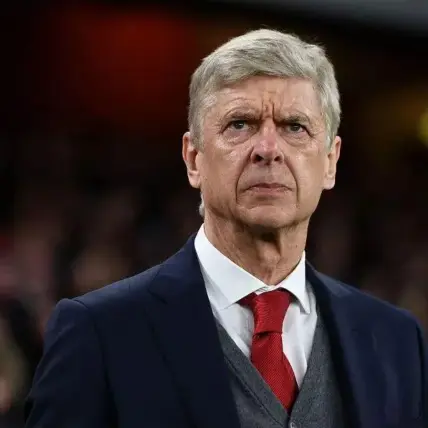 The first leg ended level away from home, but the return match turned into a shock. A goalkeeping error proved decisive as Chelsea overturned the tie, sending Arsenal out when a clear path to the final seemed possible. Many believed that eliminating Chelsea would have opened the door to Monaco in the semifinals and Porto in the final, matches Arsenal fancied their chances in. That sense of what might have been still lingers.
Redemption appeared within reach in the 2005–06 campaign. While Chelsea retained the league title, Arsenal produced their finest European run. They eliminated Real Madrid, Juventus, and Villarreal, reaching the Champions League final for the first time. Facing Barcelona’s golden generation, Arsenal matched them man for man. An early red card left them down to ten, yet they took the lead and chose to trade blows rather than shut up shop. Late goals turned triumph into heartbreak, marking the closest Arsenal have ever come to the summit of European football.
Wenger’s legacy is therefore bittersweet. He remains the club’s most influential manager, yet longevity brought stagnation, with only three league titles and no European crown. Trophy droughts followed, and even Champions League qualification slipped away in his final seasons. Today, under Mikel Arteta, optimism has returned, and on matchdays Crickex Sign Up signage blends into a revived atmosphere of belief. Wenger himself has admitted that Arsenal no longer need him, and the question now is whether this new era can finally finish the journey he began.